
honorable mention
Lucas Dragone belgium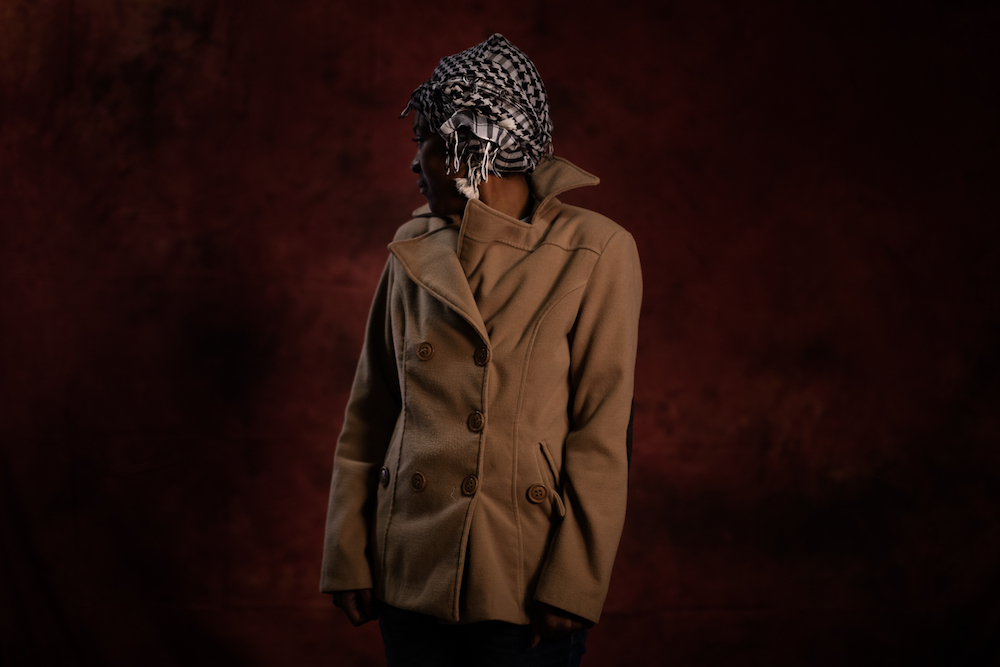
title
The Peoples From the Last Caravansary
The name Caravansary is inspire by a theater play i saw called "The Last Caravansary" in 2003. A Journey, an odyssey made from tiny pieces of destiny, small parts of the lives of men and women. Those who are called refugees, illegals, migrants, and who call themselves travellers.
The name Caravansary refers to inns that once served as resting stops for caravans
A caravansary was a roadside inn where travelers (Caravaners) could rest and recover from the day's journey.
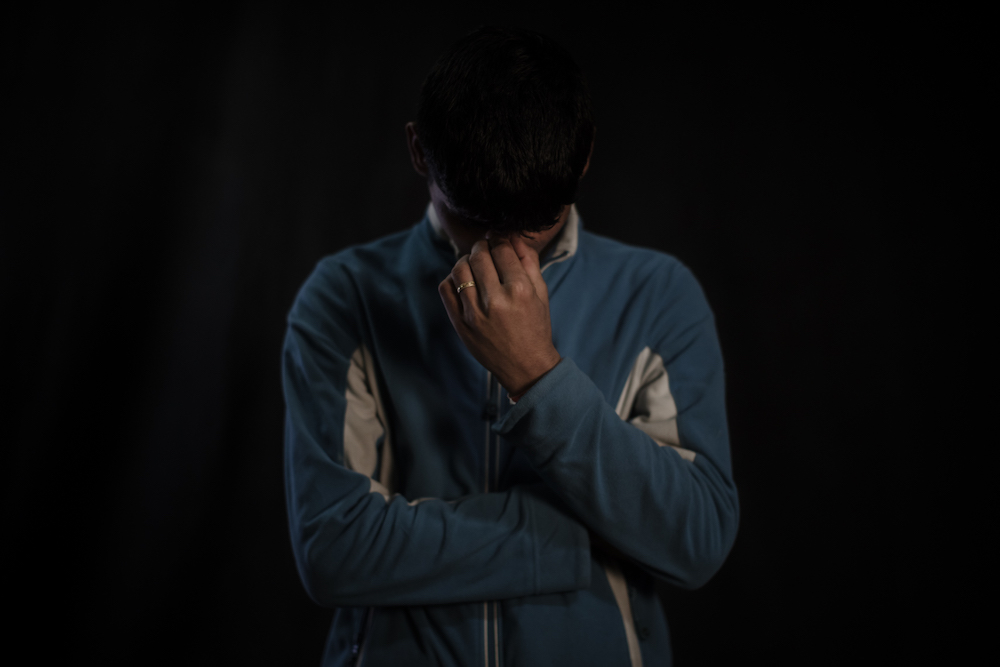
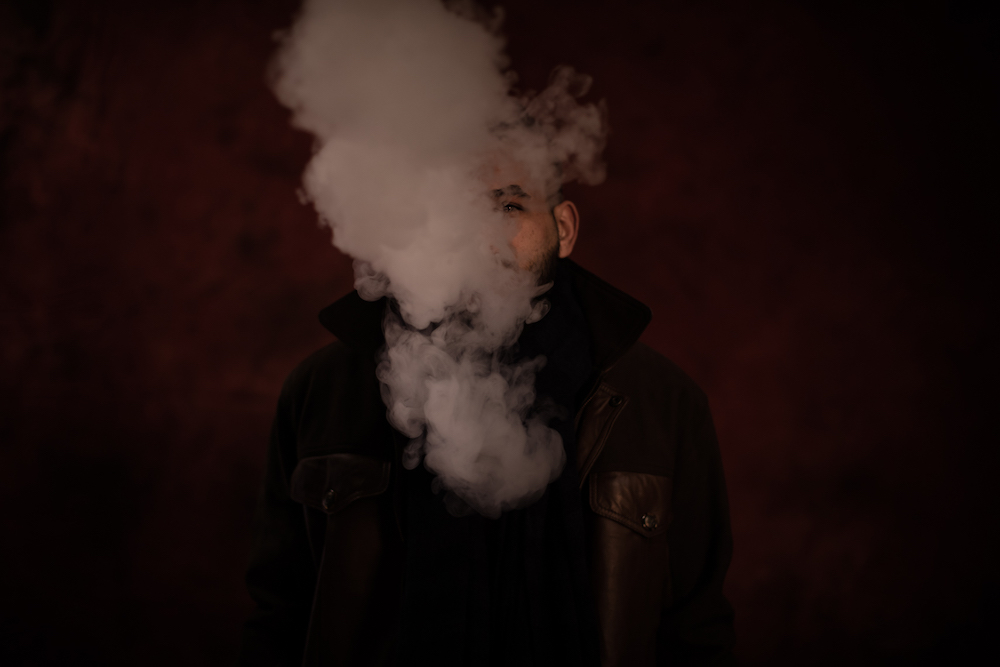
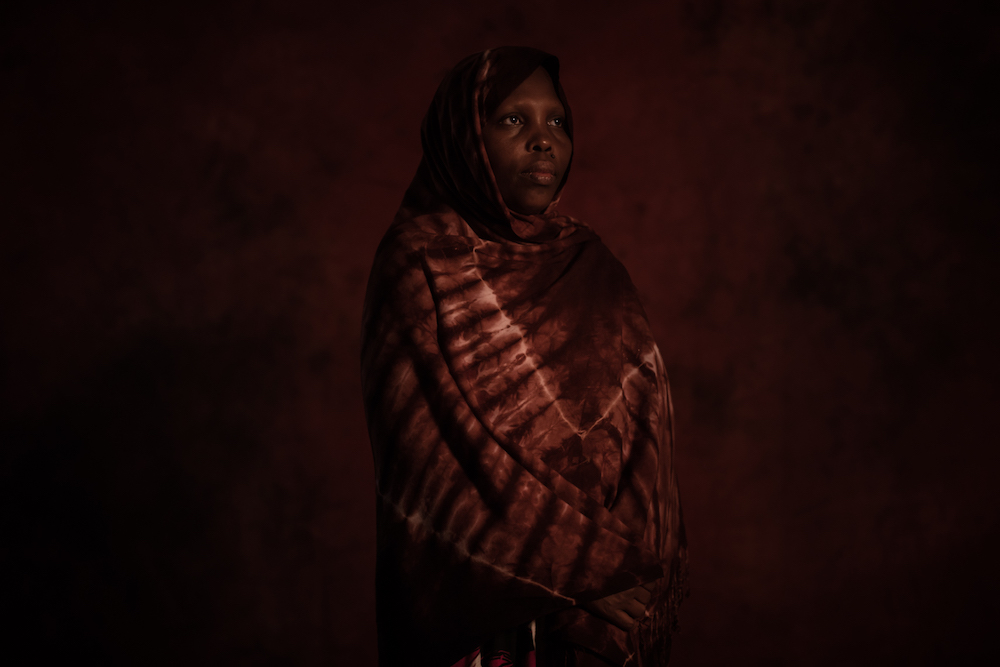
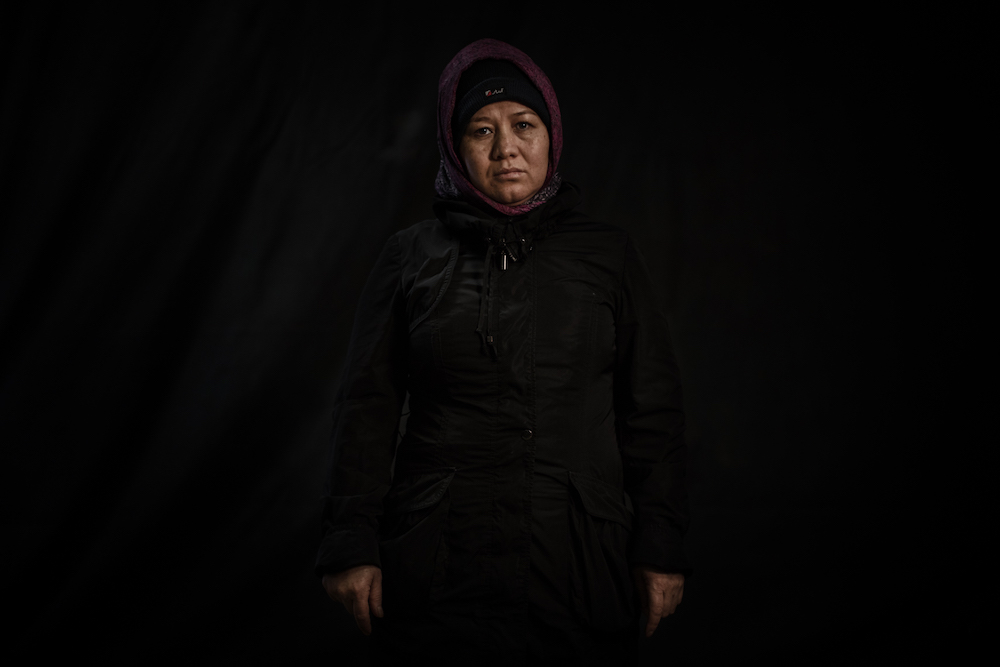
I placed a studio light and a fabric background and started taking portraits and video testimonies of the people that wanted to do it. I wanted a moment of dignity and beauty in the middle of a crisis situation. I wanted to forget, for a few minutes, the place we where in and the crisis situation around us. All together with them we shared a simple and out of time moment. We sometime forgot that those peoples just arrived from the most devastated country in the world. It’s so powerful how human have an instinct of survival and the absolute need to share, to be in society. I met amazing peoples. Talented artist, musicien, journalist, calligrapher, dancer! It is a real Caravansary made with the whole world in. Beside the difficult journey to arrive there and beside the difficult conditions there are here right now… hope, dignity and humanity are the main feelings coming out of the moment we share….
Born in Belgium to parents with a strong sense of cultural and social commitment, he spends his childhood steeped in an environment that explored the most varied forms of creativity, in line with a particularly difficult local situation.
He studied at the Lassaad international school of theater and worked with the Compagnie Barbiana in Belgium; performing directing and teaching. He also explored theater in Italy and Brazil. After a few years he decided to switch from theater to visual-arts and music as a means to express his creativity. He became Looka Loopa making music videos, documentaries, short films and visual experiments, all inspired by his sincere outlook on life. Giving as much importance to the people and situations filmed as to the style.
In the past few years, he initiated a project of documenting and capturing various forms of theaters from Asia and around the World through his camera. By doing this, Looka hopes to contribute to the documentation of theatre forms, to try and depict the transmission of this cultural patrimony to the next generations by witnessing and photographing the work of Masters, the craftsmanship of the Creators, enter the world of Actors, Artists and Director from preparation to the performance.
Rather than a quest for exoticism., it's an archival work to reflect a diversity that may disappear.
In parallel with his photographic works, Looka is also directing film documentaries around the world.
back to gallery
entry description
The pictures are taken in different centers that provide help to refugees.The name Caravansary is inspire by a theater play i saw called "The Last Caravansary" in 2003. A Journey, an odyssey made from tiny pieces of destiny, small parts of the lives of men and women. Those who are called refugees, illegals, migrants, and who call themselves travellers.
The name Caravansary refers to inns that once served as resting stops for caravans
A caravansary was a roadside inn where travelers (Caravaners) could rest and recover from the day's journey.
I placed a studio light and a fabric background and started taking portraits and video testimonies of the people that wanted to do it. I wanted a moment of dignity and beauty in the middle of a crisis situation. I wanted to forget, for a few minutes, the place we where in and the crisis situation around us. All together with them we shared a simple and out of time moment. We sometime forgot that those peoples just arrived from the most devastated country in the world. It’s so powerful how human have an instinct of survival and the absolute need to share, to be in society. I met amazing peoples. Talented artist, musicien, journalist, calligrapher, dancer! It is a real Caravansary made with the whole world in. Beside the difficult journey to arrive there and beside the difficult conditions there are here right now… hope, dignity and humanity are the main feelings coming out of the moment we share….
about the photographer
Lucas Dragone is a visual artist specializing in photography and videography. His work is distinguished by his clear-eyed and innocent portrayal of people and events.Born in Belgium to parents with a strong sense of cultural and social commitment, he spends his childhood steeped in an environment that explored the most varied forms of creativity, in line with a particularly difficult local situation.
He studied at the Lassaad international school of theater and worked with the Compagnie Barbiana in Belgium; performing directing and teaching. He also explored theater in Italy and Brazil. After a few years he decided to switch from theater to visual-arts and music as a means to express his creativity. He became Looka Loopa making music videos, documentaries, short films and visual experiments, all inspired by his sincere outlook on life. Giving as much importance to the people and situations filmed as to the style.
In the past few years, he initiated a project of documenting and capturing various forms of theaters from Asia and around the World through his camera. By doing this, Looka hopes to contribute to the documentation of theatre forms, to try and depict the transmission of this cultural patrimony to the next generations by witnessing and photographing the work of Masters, the craftsmanship of the Creators, enter the world of Actors, Artists and Director from preparation to the performance.
Rather than a quest for exoticism., it's an archival work to reflect a diversity that may disappear.
In parallel with his photographic works, Looka is also directing film documentaries around the world.
back to gallery